Caring With Confidence: 11 Signs it May Be Time for Assisted Living
TL;DR When is it time for assisted living: When daily tasks, safety, or health needs become too much to manage at home. Assisted living offers

TL;DR When is it time for assisted living: When daily tasks, safety, or health needs become too much to manage at home. Assisted living offers
TL;DR Key difference: Assisted living helps seniors with personal care, housekeeping, and medication reminders while they stay independent. A nursing home provides 24/7 medical supervision

TL;DR Types of senior living apartments: Independent living, assisted living, memory care, and nursing home apartments each offer a different level of support. Health and

TL;DR Memory activities: Look through old photo albums, keep a memory journal, or play word games and crossword puzzles. Physical activities: Walks in a safe,

TL;DR What is blood pressure: The force of blood against artery walls, written as systolic over diastolic. About 120/80 mmHg is considered normal. The link

TL;DR Frontotemporal dementia and the eyes: FTD shrinks the brain’s frontal and temporal lobes, which can affect eye movement, focus, and how the brain processes

TL;DR Assisted living levels of care: Most communities group support into basic, moderate, enhanced, and memory care, based on how much daily help a resident

TL;DR Benefits of assisted living: Seniors get personalized help with daily life while keeping their independence, with trained staff available 24 hours a day. Tailored,
TL;DR What is respite care: Respite care gives family caregivers a temporary break while their loved one is cared for by trained staff. Types of
TL;DR What is the Assisted Living Waiver: California’s Assisted Living Waiver (ALW) is a Medi-Cal program that helps eligible seniors and adults with disabilities get

TL;DR Why home is hard: Dementia can bring mobility problems, trouble recognizing surroundings, vision or hearing loss, and memory issues. Over 55 million people live
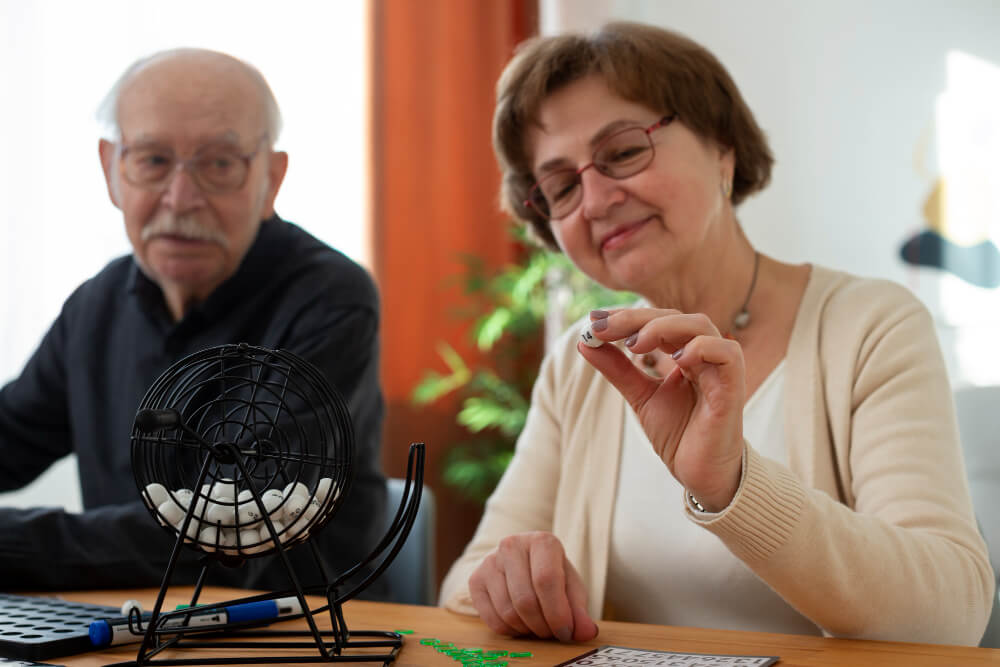
TL;DR What is mixed dementia: Mixed dementia is when a person has more than one type of dementia at the same time, most often Alzheimer’s
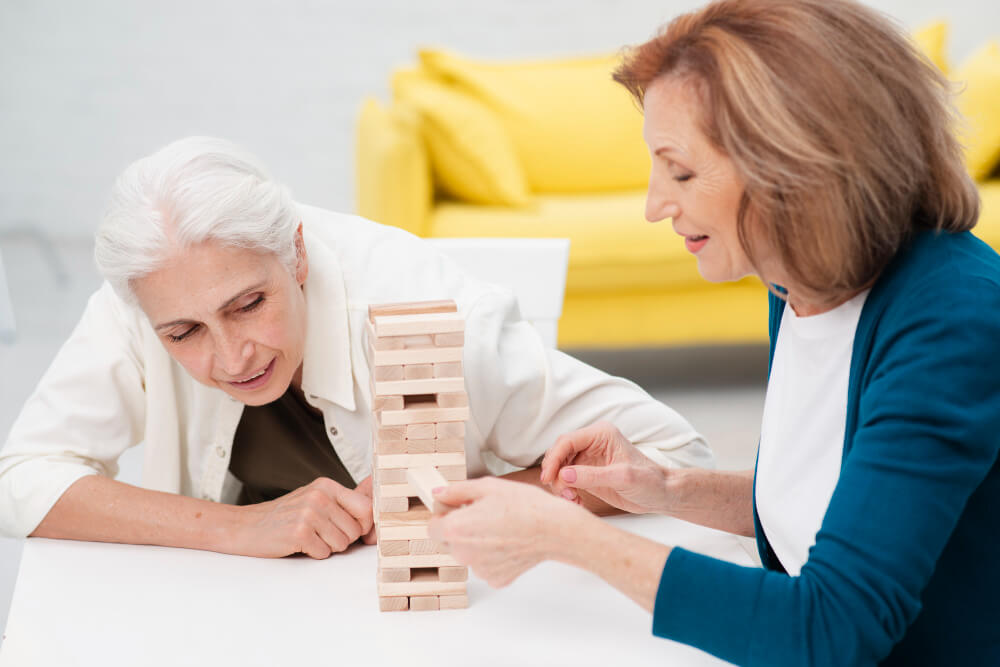
TL;DR Why behavior changes: Alzheimer’s changes the brain over time, which can cause anxiety, suspicion, agitation, aggression, and irritability. Common symptoms: Loss of motivation, sleep
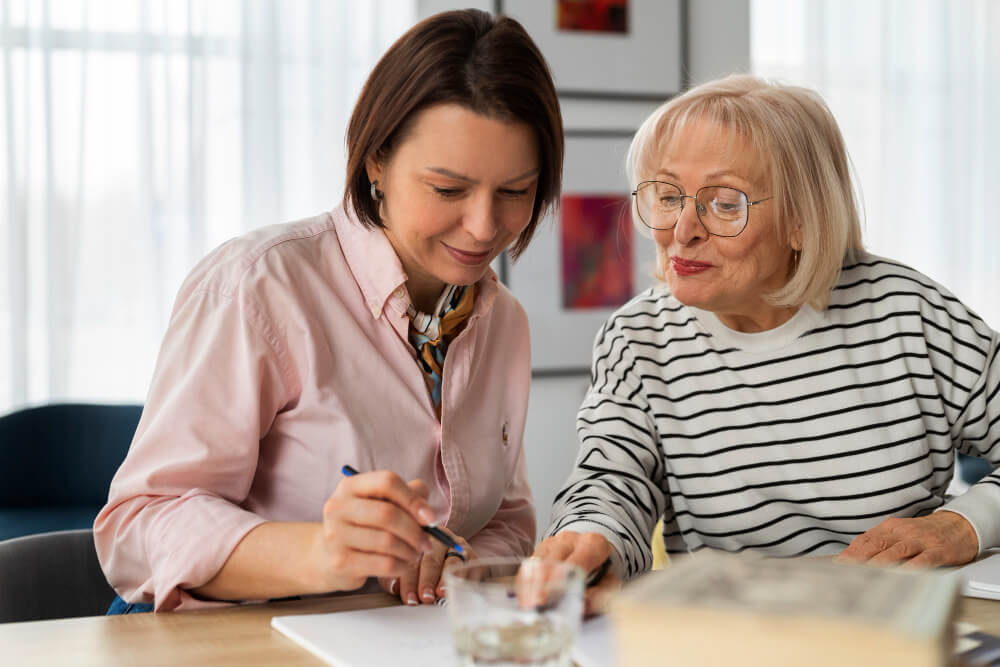
TL;DR No single right time: Every family is different, but certain changes signal it’s time to bring in professional in-home dementia care. Growing confusion: Getting

TL;DR Pick the right destination: Choose quiet, familiar places tied to happy memories to keep stress low. Plan the trip: Book dementia-friendly lodging, take direct

TL;DR Diet and Alzheimer’s: Alzheimer’s involves protein plaques in the brain. Genes play a role, but a healthy diet can help lower risk and support

TL;DR Is memory loss a normal part of aging: Some forgetfulness is normal, like misplacing keys or forgetting a name, but persistent memory problems that
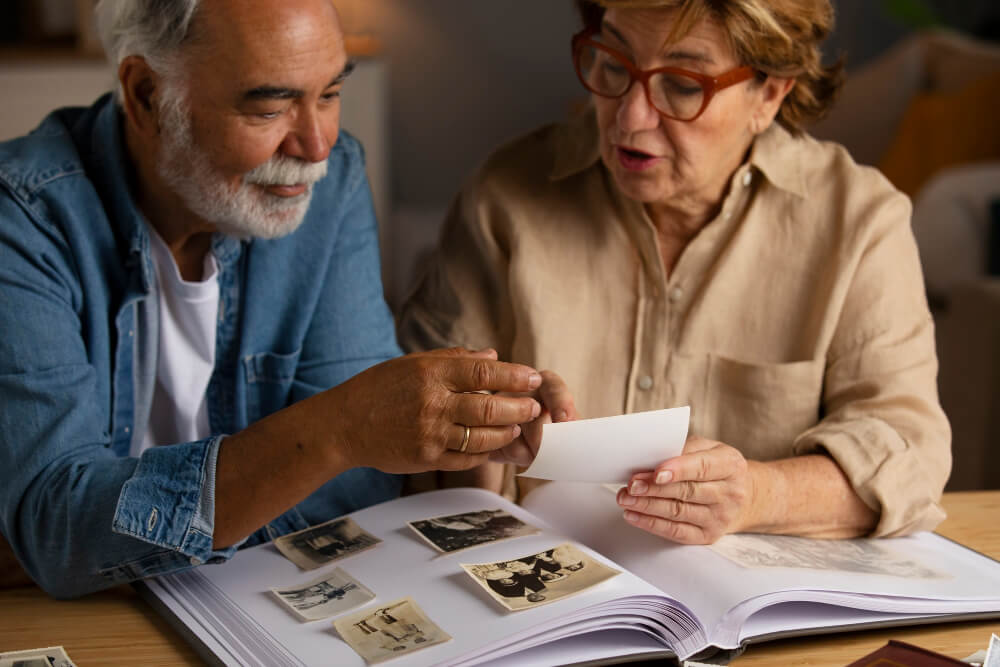
TL;DR What causes poor memory in seniors: Some memory decline is a normal part of aging, but sudden or severe changes can point to a

TL;DR Insomnia in the elderly: Insomnia affects about 23-24% of middle-aged and older adults. It makes it hard to fall or stay asleep and is
TL;DR What is age-related memory loss: Mild memory changes with age, sometimes called benign senescent forgetfulness, are common and different from dementia. Causes: Family history,
TL;DR Three levels of change: Age-related memory decline ranges from minor changes, to mild cognitive impairment (MCI), to dementia. Minor changes: Occasional forgetfulness, slower recall,
TL;DR Expect ups and downs: Dementia gets worse over time, so communication will change from day to day. Don’t let a bad day discourage you.

TL;DR Why home care helps: Home care lets seniors stay independent at home with personalized support for their emotional, social, and physical well-being. Independence: Caregivers

TL;DR Be creative: Painting, building something, making a photo album, or cooking a loved one’s favorite dish can help express grief and keep the mind

TL;DR Workout classes and groups: Senior fitness classes, tai chi, strength training, and walking groups on a regular schedule. Swimming: Water resistance works the whole

TL;DR Mother’s Day gifts for elderly moms: Simple, thoughtful gifts often mean the most to a mom who already has everything. Family photos: Turn a